What Is Insurance And Why You Need It!
What is Insurance?
Insurance is a risk transfer mechanism. It is a method of shifting the responsibility for losses to specialists called insurance companies who handle the risk by spreading it over a large number of people or firms. Insurance can help you cover the cost of unexpected events such as theft, illness or property damage. Insurance can also provide your loved ones with financial payment upon your death.
It is important to understand that the primary purpose of insurance is to protect you from unexpected financial loss due to unfortunate events. In case of life insurance, you can purchase products which have a savings option in addition to the protection component i.e. the insurance company pays the predetermined amount to the policy beneficiary in case of death/ disability and if no unfortunate event happens, then at the time of policy maturity, you get the accumulated value of the premiums that you had been paying to the life insurance company during the tenure of the policy, along with the bonus/ profits in accordance with the product type and terms of the insurance policy.
Principles of insurance
The main motive of insurance is cooperation. Insurance is defined as the equitable transfer of risk of loss from one entity to another on the payment of a specified premium. The essential principles of insurance are as follows:
o Utmost Good Faith: Both parties should enter into the contract in good faith. Insured should provide all the information that impacts the subject matter, while the Insurer should provide all the details regarding the insurance contract.
o Insurable Interest: Insured must have insurable interest in the subject matter. For example, in case of life insurance, spouse and dependents have insurable interest in the life of the person insured. Insurable interest must be present both at the commencement of the policy and when any claims are made.
o Indemnity: It is the security or protection against a loss or other financial burden. For purposes of insurance contracts, this could be viewed as financial compensation sufficient to place the insured in the same financial position after a loss as he enjoyed immediately before it occurred.
How does insurance work?
Insurance companies work on the basis of pooling of risks. A number of individuals agree to pay certain sums of money called premiums to create a pool of money, which is then used to pay the losses of the few caused by events such as fire, accident, illness, or death. For example, a large group of people who wish to get life insurance will pay their premiums into a pool. Of course, not all will suffer from the loss at the same time.
Accordingly, the insurance companies are able to operate profitably by investing the part of the collected premiums not required for claim settlement. The details of insurance protection, such as exactly which events are covered and for how much, are defined in the insurance policy. The insurance policy is a contract between you and the insurance company. You pay a fee called a premium and in exchange the insurance company agrees to pay you a certain amount of money, if the event you are insuring against is covered, and happens during the term of the policy.
Why should I get insured?
Insurance can protect you against financial loss if something unexpected happens. Accidents and disasters can and do happen, and if you are not adequately insured, it could leave you in financial ruin. When you buy insurance, you transfer the cost of a potential loss to the insurance company in exchange for a fee known as the premium. Insurance companies invest the funds securely, so they can grow, and are able to pay claims as they arise. The decision to get insurance will depend on your circumstances and your stage in life.
Examples of insurance protection include:
• Automobile insurance: This will pay for the cost of repairs to your vehicle if you have an accident or pay you the insured value, if your vehicle is stolen.
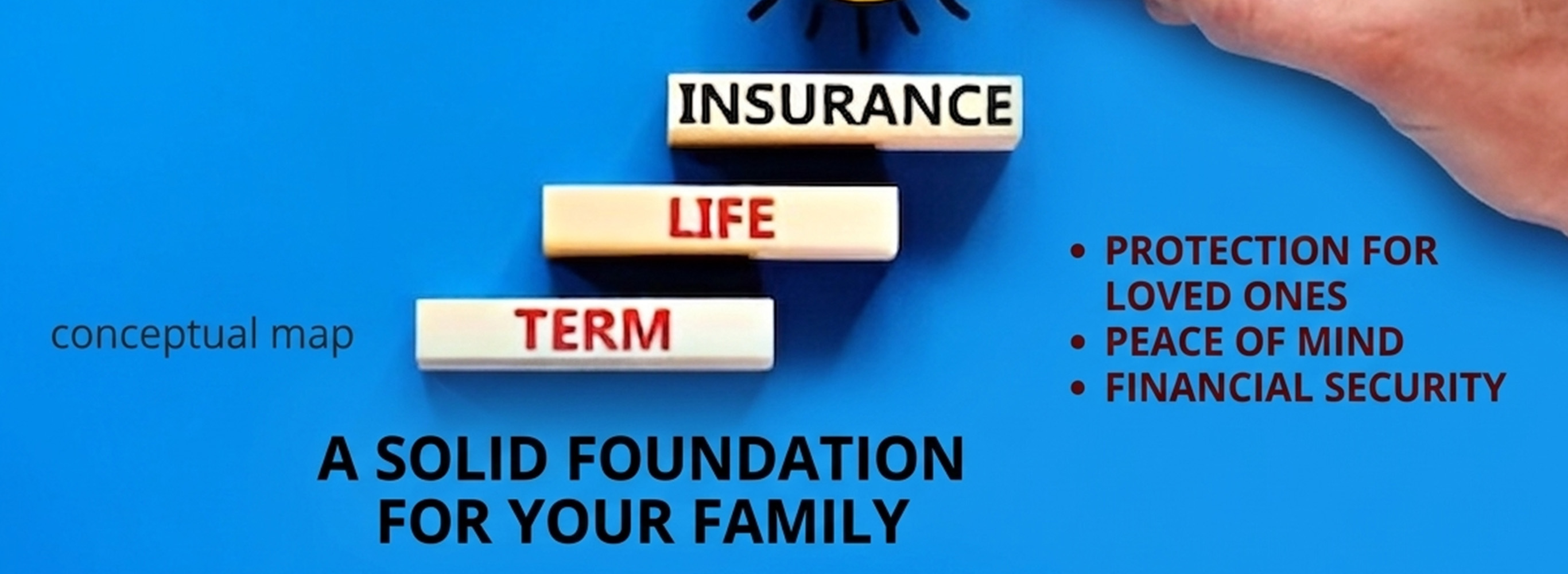
• Life insurance: This will pay your family on your death/disability. If neither of the calamities occur, you get a promised sum assured upon the completion of your policy term.
• Property insurance: This will pay for the cost to repair your property in case of fire or damage by causes as stated in the policy terms. Insurance can be obtained for both residential and commercial property.

 021-111-115-433



 Eng
Eng  Login
Login